Blog

Blog

A Global Perspective How Realistic Sex Dolls Are Impacting Relationships Worldwide

A Global Perspective: How Realistic Sex Dolls Are Impacting Relationships Worldwide

Realistic dolls are reshaping how couples and singles manage desire, privacy, and connection across cultures. The global conversation links sex, technology, and companionship in ways that alter expectations both inside and outside committed relationships.

Across markets, dolls now sit at the intersection of mental health coping, sex autonomy, and relationship strategy. In some regions they function as private aids for managing sex anxiety and mismatched drives; in others they act as conversation starters that help couples negotiate boundaries about desire, fantasy, and care. Policymakers, therapists, and educators are catching up, trying to translate lived realities with dolls into sensible frameworks for sex ethics, consent, and harm reduction. The result is not a single global narrative but a mosaic where dolls, sex norms, and local values continuously recalibrate one another.

What’s really changing in relationships as realistic dolls go mainstream?

best sex dolls change the tempo of intimacy by offering consistent availability and nonjudgmental experimentation, which some users channel back into healthier communication with partners. The impact varies: some couples report less conflict about sex, while some singles report reduced pressure to date before they are ready.

At home, a doll can become a tool for rehearsing conversations about sex boundaries, kinks, and comfort levels that were previously hard to voice. For singles, dolls can reduce the stress of hookup culture, letting people explore sex preferences without social risk while building confidence for future dating. For long-distance or caregiving couples, dolls sometimes buffer mismatched libido phases, so that sex pressure does not escalate into resentment. None of this removes the need for emotional labor; rather, dolls externalize it. They give partners a neutral object around which to discuss sex desires, privacy rules, and practicalities such as storage, cleaning, and money. Where relationships struggle, the friction often reflects deeper issues—secrecy, shame, or conflicting values—rather than the doll itself.

How big is the market, and where is growth hottest?

Global demand clusters in East Asia, North America, and Western Europe, with emerging growth in Latin America and parts of the Middle East via discreet e‑commerce. Price points are tiered by materials and features, from basic silicone bodies to AI-enabled companions.

Manufacturers based in China, Japan, and the United States dominate supply, with rapid iteration in facial realism, articulated skeletons, and modular components. Regions with strong online retail infrastructure scale fastest because buyers prefer privacy for a product tied to sex. Growth spikes wherever stigma decreases and payment logistics improve, such as buy-now-pay-later options. In markets where import duties are high or sex retail is tightly policed, local gray markets flourish, sometimes compromising safety standards. Analysts tracking dolls monitor adjacent indicators—sex toy sales, search queries about sex therapy, and downloads of companion apps—to estimate where the next adoption curve will break out.

Are dolls harming or helping intimacy?

Evidence points to both risks and benefits: dolls can reduce performance anxiety and facilitate sex talk, but they can also amplify secrets if introduced without consent or used to avoid necessary conflict. The effect depends on communication quality and the explicit rules partners negotiate.

On the benefit side, people report using dolls to practice asking for sex, to script refusals respectfully, and to map preferences before approaching a partner. Therapists describe cases where dolls reduce orgasm pressure, making partnered sex less of a test and more of a choice. On the risk side, clandestine purchases often create trust fractures; partners read secrecy about a doll as secrecy about sex, which merges with fears of replacement. A pragmatic view treats the doll as another intimacy technology, like lube or erotica, whose value hinges on consent and transparency. If the couple maps clear agreements—where the doll stays, when it’s used, what language frames it—then the likelihood of positive spillover into partnered sex rises sharply.

What cultural patterns define acceptance or stigma?

Acceptance increases where sex is framed as health and leisure rather than moral test, and where privacy is a strong legal norm. Stigma remains strongest where public conversation about sex is policed or where gender roles tightly define what counts as “normal” desire.

In Japan and South Korea, urban isolation and high work hours encourage private, scheduled intimacy; dolls serve a utilitarian role that decouples sex from social performance. In Scandinavia and parts of Western Europe, sex-positive health education reduces shame, so dolls are more likely to be discussed as tools rather than taboos. In the United States, cultural polarization splits attitudes: some communities normalize sex tech while others frame dolls as corrosive. In the Middle East and South Asia, discreet online buying coexists with public conservatism, creating dual lives where private sex practices diverge from public norms. Across Africa and Latin America, youth-driven digital culture is broadening the conversation, with affordability and shipping reliability as the main constraints. Everywhere, the core variable is whether people can talk about sex without fear of status loss; where they can, dolls integrate more smoothly.

The tech under the skin: materials, AI, and maintenance realities

Most premium dolls use medical-grade silicone for heat stability and texture fidelity, while TPE offers a softer feel at lower cost but requires more careful cleaning. AI layers add voice, head motion, and basic conversation that reframes the doll from object to companion in the user’s mind.

Material choice drives ownership experience. Silicone tolerates higher temperatures, enabling safer sanitation routines, while TPE’s porosity demands gentler, more frequent cleaning and compatible lubricants to avoid degradation. Skeletons now include hinged fingers, shrugging shoulders, and adjustable spines, expanding positioning while reducing strain. AI is still narrow: speech is scripted, and movement is limited, yet even modest interactivity can shift how users talk about the doll and how partners perceive it. Maintenance matters for health: sanitation protocols, storage to prevent compression marks, and periodic joint checks. Clear routines reduce conflict by making sex hygiene visible and predictable, which partners often cite as a prerequisite for acceptance.

How do couples actually use dolls without damaging trust?

Couples who succeed treat the doll as a shared household item with personal-use windows, not a secret lover. They agree on disclosure, hygiene, placement, and language, then revisit the rules as sex needs change.

One pattern sets the doll as a solo outlet during illness, postpartum phases, travel gaps, or mismatched libido, keeping partnered sex free from obligation. Another pattern integrates the doll into foreplay as a prop, with explicit consent about where attention goes and what stops the scene. Transparency is the keystone: calendar notes for cleaning, a visible storage plan, and a standing check-in about whether the doll is helping or hurting. Couples also make small linguistic choices—saying “the doll” rather than a human name—to prevent anthropomorphizing from muddying boundaries if either partner dislikes it. When those norms are in place, reports of jealousy drop and reports of more relaxed sex rise.

Where do ethics, consent, and law collide?

Ethical use centers on consent, age-appropriate design, and truthful marketing; law focuses on import controls, obscenity definitions, and safety labeling. Most jurisdictions evolve slowly, while online commerce moves fast.

Regulators worry about three clusters: products that resemble minors, claims that overpromise AI “sentience,” and sanitation standards for skin-contact goods. Ethical retailers publish clear age-restriction statements and cleaning guidance, while communities self-police forums to block illegal content. Consent topics arise in shared homes: roommates and partners deserve opt-in rules, and misuse can breach trust even if no law is broken. Product safety overlaps with sex health; responsible makers test pigments and adhesives to meet skin-contact norms. Where law is silent, professional groups borrow frameworks from sex therapy and consumer protection to set baselines that keep users, partners, and bystanders safe.

What should therapists and educators do next?

Clinicians can fold dolls into standard sex history intake, asking neutrally about tools, benefits, and worries. Educators can present dolls alongside contraception, STI screening, and consent scripts as part of comprehensive sex literacy.

In practice, a therapist might ask, “How does the doll affect your desire for partnered sex? What rules exist at home? What would better rules look like?” This keeps focus on function, not moral panic. Educators can demystify maintenance to reduce infection risk and can model language for negotiating boundaries: opting in, opting out, and pausing. Where students or clients face stigma, reframing the doll as one legitimate route to explore sex can reduce shame that otherwise fuels secrecy. The professional stance is pragmatic: treat the doll like any intimacy technology that can either support or undermine wellbeing depending on context.

Quick comparison table: regional trends vs reported outcomes

Regions differ in drivers, stigma, and the way dolls feed back into partnered sex. The table summarizes recurring patterns reported by clinics, retailers, and surveys.

Region Adoption indicator Primary drivers Reported relationship outcomes
East Asia High urban sales Privacy, work hours, compact housing More solo sex practice; reduced performance anxiety; discreet norms
Western Europe Steady, open discourse Health framing, sex education Better communication; clearer household rules; lower stigma
North America Polarized attitudes Tech adoption, culture wars Improved sex talk in some couples; conflict where secrecy exists
Middle East/South Asia Discreet e‑commerce Privacy needs, legal ambiguity Parallel private sex practices; heightened need for hygiene guidance
Latin America/Africa Emerging growth Youth digital culture, affordability Expanding sex discourse; infrastructure limits adoption pace

How do AI companions reshape expectations of care?

Even basic conversational AI reframes the doll as a responsive presence, which can raise the bar for attentiveness in human relationships or create unrealistic expectations if users overgeneralize. The key is literacy: knowing what AI can and cannot do.

Users report feeling heard when a doll with voice recognizes keywords about stress or sex frustration and replies predictably. This reliability can soothe anxiety, which in turn steadies partnered sex by removing the pressure to be “on” every night. But anthropomorphism is seductive; over time, some users expect human partners to match machine consistency. Educators and therapists can normalize the difference: a partner is not an always-available interface, and care is reciprocal. Setting the frame keeps AI-enhanced dolls from becoming silent standards that human partners are forced to meet.

Expert tip

“If you’re introducing a doll into a shared home, script the first three months like a pilot: agree to a fixed storage spot, a visible cleaning routine, and a monthly check-in on how it’s affecting partnered sex. Treat every rule as provisional and editable.”

This simple structure defuses fears of permanence and creates a safe lane for feedback. Partners who see that rules about the doll can evolve report less jealousy and a more open channel for discussing sex preferences unrelated to the device. The practice is mundane—calendar entries, a labeled storage case, a cleaning log—but it transforms what could be an emotional flashpoint into a manageable household process.

Little-known facts you can verify

Fact 1: Premium silicone used in medical-grade dolls often comes from suppliers that also serve prosthetics labs, which is why skin realism improved so fast. Fact 2: Several EU countries classify high-end dolls as “adult health products” for import, which reduces seizure risk compared to generic “sex items.” Fact 3: Studies on partnered sex frequency show neutral to slightly positive changes in couples who set explicit rules for doll use; secrecy correlates with negative outcomes. Fact 4: Insurance will not cover dolls, but some clinics document their role in sex therapy plans as homework tools for anxiety reduction. Fact 5: Anti-counterfeit QR systems are spreading to dolls because skin-contact safety data must be traceable for regulatory audits.

How should households talk about cost, safety, and privacy?

Households benefit from a budget line, a sanitation plan, and rules for discretion when guests visit. Agreeing on these basics in advance prevents money fights, health scares, and awkward social moments.

Costs include purchase, accessories, cleaning supplies, and occasional repairs; writing them down changes the conversation from taboo to logistics. Safety rests on compatible lubricants, routine drying, and body-safe cleaners to protect both the doll and users. Privacy involves neutral storage, optional locks, and a shared script if a visitor discovers the doll. When these items are addressed, couples report that partnered sex feels safer and less pressured, because everyone trusts the hygiene and the boundaries. Singles living with roommates can borrow the same template, swapping the sex details for simple respect agreements about space and schedules.

Where could the next wave of innovation—and friction—appear?

Expect incremental AI, lighter skeletons, and better skin elasticity, alongside new debates about representation and data privacy. As dolls get smarter, governance will chase questions about voice data, consent models, and cross-border sales.

On the tech side, vendors are racing to reduce weight without sacrificing durability, since easier handling expands who can own and use a doll safely. AI will likely remain narrow yet more context-aware, helping users practice sex conversations and aftercare scripts. Socioculturally, representation battles are coming: body diversity, disability-friendly designs, and ethical defaults that avoid harmful stereotypes. Privacy will be a flashpoint if microphones or apps store sensitive sex data. Regions that align consumer protection with sex health education will integrate these shifts with less panic and fewer harms, keeping both dolls and partnered sex embedded in a consent-first culture.

Language matters across this landscape. Calling the product a doll rather than a partner can lower emotional stakes if a couple prefers boundaries, while others intentionally assign a name to make care routines stick. Using plain words—sex drive, sex stress, sex routine—removes euphemism and keeps problem-solving concrete. The more directly people talk, the less room shame has to expand, and the easier it becomes to decide whether the doll is serving growth or avoidance. Clarity also helps policymakers and clinicians separate myth from practice, steering resources to education and safety rather than stigma campaigns that rarely change behavior.

For anyone navigating this terrain, three practices repeatedly correlate with positive outcomes: transparent intent about why the doll is entering the home, negotiated rules that are easy to revise, and a living hygiene protocol that signals respect for everyone’s body. People who anchor those basics report steadier partnered sex, calmer solo sex, and fewer conflicts over time. Those who skip the groundwork tend to fight about meaning as much as behavior, projecting fears onto the doll that could have been resolved with earlier, plainer talk.

Blog

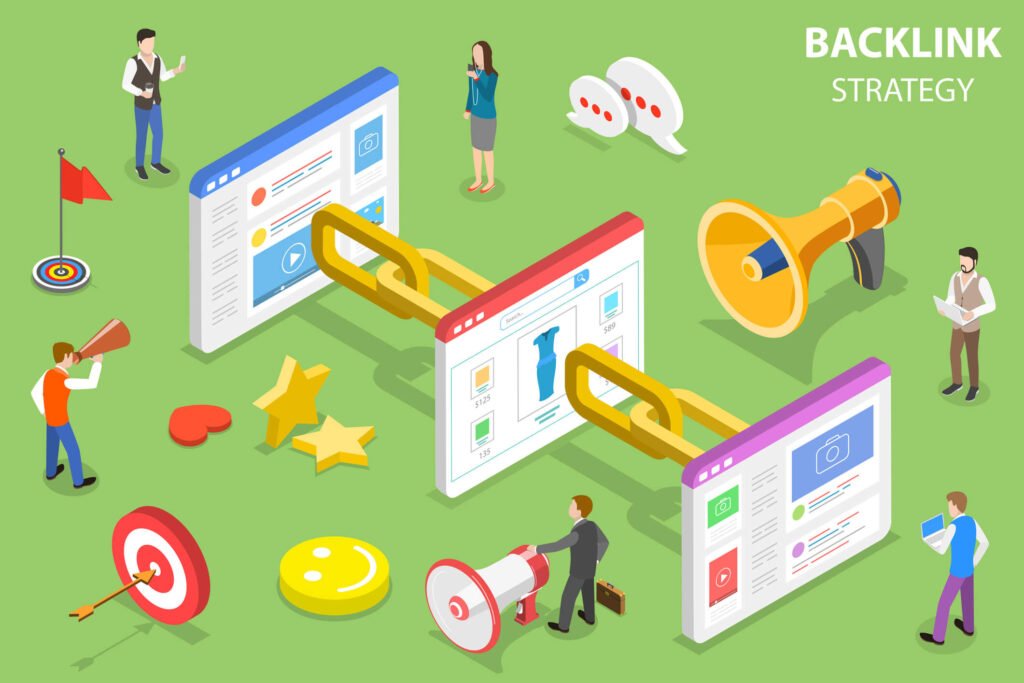
Genera Of Backlinks: Inclusive Details about Backlinks

To improve your website’s visibility and ranking on search engine results pages (SERPs), understanding backlinks is crucial. A backlink is simply a link from one website to another, and in the realm of SEO, these links are immensely important. Backlinks function as “votes” for your site, signaling to search engines like Google that your content is valuable and worth referencing.

This endorsement enhances the credibility of your website, boosting its authority and trustworthiness in the eyes of search engines. Consequently, websites with high-quality backlinks tend to rank higher on SERPs, leading to increased visibility and organic traffic.

This comprehensive Blacklinks guide explains the depths of backlinks, blacklink building, their importance, strategies for acquisition, and best practices to optimize your website’s SEO performance.

UNDERSTANDING BACKLINKS

Backlinks are links on websites other than your own that direct traffic back to a page on your website. Known as inbound links, they bring external traffic to your site. Both the quality and quantity of these backlinks can significantly impact your search engine rankings on platforms like Google and Bing. Backlinks are key indicators of your website’s popularity and credibility among users.

Managing and analyzing backlinks is a vital part of SEO strategies. The number one ranking page on Google has, on average, 3.8 times more backlinks than pages ranking in positions 2-10, highlighting their importance in SEO.

To increase organic traffic and gain search engine recognition, you must invest in both on-page and off-page SEO. On-page optimization involves creating content that helps search engines and users understand your website’s purpose. Off-site optimization, on the other hand, is about proving to search engines that your content is valuable to others, with backlinks being the most critical form of validation.

IMPORTANCE OF BACKLINKS

The importance of backlinks cannot be overstated. They serve as a vote of confidence from one site to another, directly influencing your site’s authority and search engine rankings. According to a study by Ahrefs, over 90% of all web pages get no organic traffic from Google, primarily due to the lack of backlinks. High-quality backlinks can enhance your site’s visibility, drive organic traffic, and improve your site’s overall SEO health.

BASICS OF BACKLINK BUILDING

BASICS OF BACKLINK BUILDING

Backlinking Techniques

Backlink building involves several techniques, each aimed at generating high-quality inbound links. Here are some effective methods:

  1. Guest Blogging: Writing articles for other reputable websites in your niche can earn you valuable backlinks.

  2. Broken Link Building: Identifying broken links on other sites and offering your content as a replacement is a win-win strategy.

  3. Content Marketing: Creating high-quality, shareable content that naturally attracts links.

  4. Skyscraper Technique: Finding popular content in your industry, creating something even better, and reaching out to those who linked to the original content.

Link Building Strategies

Link-building strategies should be comprehensive and diverse to ensure a natural backlink profile. Combining various techniques, such as guest posting, influencer outreach, and digital PR, can yield the best results. A mixed approach helps prevent over-reliance on any single method, mitigating the risk of penalties from search engines.

BACKLINK STRATEGIES FOR SUCCESS

BACKLINK STRATEGIES FOR SUCCESS

Natural Link Acquisition

Natural link acquisition involves earning backlinks without directly soliciting them, relying instead on the inherent value and appeal of your content. Many key strategies are used for this purpose. First, creating exceptional content that is high-quality, informative, and engaging will naturally attract links from other websites that find your content valuable. Second, leveraging social media by sharing your content across various platforms can significantly increase its visibility, thereby enhancing the likelihood of it being linked to by others.

Third, building relationships within your industry is crucial; networking with industry leaders and influencers can lead to organic link opportunities as they share and endorse your content. These approaches collectively enhance your website’s backlink profile, boosting its credibility and search engine ranking.

Dofollow vs. Nofollow Links

Understanding the difference between dofollow and nofollow links is crucial in backlink strategies. SEO value is passed on through Dofollow links, while on the other hand, the nofollow links do not do so. Both types are important; dofollow links contribute directly to your site’s authority, while nofollow links can still drive traffic and increase brand visibility.

Anchor Text Optimization

In a hyperlink, the clickable texts in the content are anchor text. Optimizing anchor text involves using relevant, descriptive keywords that give context to the linked content. However, over-optimization or using too many exact-match keywords can be seen as spammy by search engines.

BACKLINK QUALITY ASSESSMENT

BACKLINK QUALITY ASSESSMENT

Analyzing Backlink Profiles

A thorough backlink profile analysis helps in understanding the quality and relevance of the links pointing to your site. Tools like Ahrefs, Moz, and SEMrush can provide detailed insights into your backlink profile, identifying high-quality links and potential toxic links that might harm your SEO.

Importance of High-Quality Backlinks

Not all backlinks are created equal. High-quality backlinks come from reputable, authoritative sites relevant to your industry. These links carry more weight and positively impact your site’s rankings. In contrast, links from low-quality or spammy sites can negatively affect your SEO performance.

ADVANCED BACKLINKING STRATEGIES

ADVANCED BACKLINKING STRATEGIES

Comprehensive Guide to Building Backlinks

For those seeking to delve deeper into backlinking, advanced strategies offer significant benefits. One effective method is resource page link building, which involves finding resource pages relevant to your content and requesting to be added. Another powerful strategy is ego bait, where you create content that flatters influential people or brands in your industry, encouraging them to share it. 

Additionally, participating in HARO (Help A Reporter Out) by responding to journalists’ queries can earn you valuable media coverage and backlinks. These advanced techniques can significantly enhance your backlink profile and boost your site’s authority and search engine rankings.

Link Building Outreach

Effective link-building outreach involves personalized and strategic communication with potential link sources. Crafting tailored emails that highlight the value of your content and establishing mutually beneficial relationships can significantly improve your outreach success rates.

Backlinking Best Practices

Backlinking Best Practices

Step-by-Step Backlinking Process

  1. Identify Your Goals: Define what you aim to achieve with your backlinking efforts (e.g., increased traffic, and higher rankings).

  2. Research Prospects: Use tools to find relevant sites for potential backlinks.

  3. Create Quality Content: Ensure your content is valuable and link-worthy.

  4. Outreach: Reach out to site owners with personalized, value-driven pitches.

  5. Monitor and Refine: Regularly analyze your backlink profile and refine your strategies as needed.

AVOIDING COMMON PITFALLS

Avoiding buying links is crucial, as paid links violate Google’s guidelines and can result in severe penalties. It’s also important to diversify your links; relying on a single type of link can make your backlink profile appear unnatural to search engines. Additionally, focus on quality over quantity; a few high-quality backlinks are far more valuable than numerous low-quality ones. This approach ensures a robust and credible backlink profile that can positively impact your site’s search engine rankings.

In NutShell!

In the evolving landscape of SEO, backlinks explained in this guide remain a cornerstone for achieving higher search engine rankings and increased organic traffic. By understanding backlinks, employing effective backlink strategies, and adhering to backlinking best practices, you can build a robust and sustainable SEO foundation. Remember, the key to successful backlink building lies in quality, relevance, and consistency. Embrace these principles, and you’ll be well on your way to SEO success.

By following this definitive guide to backlinks, you will gain a thorough understanding of backlink generation, acquisition, and optimization. Whether you’re a beginner or an experienced SEO professional, mastering these backlinking techniques and strategies will empower you to enhance your website’s authority and visibility in search engine results.

Blog

Seamless Process: Get Backlinks on BuyBacklinksOnline.com

A backlink is vital for websites so that they are recognized by search engines such as Google. Think of them as a thumbs-up from one website to another. In fact, as per 53% of professionals engaged in making web pages popular, backlinks will become as crucial as a search. 

When we discuss this white hat link building, we get these thumbs-ups without breaking any rules so that the website remains respected and honest. More than half of marketers, 52% precisely, believe that having more backlinks can help a website rank higher in search engines.

What are Backlinks?

What are Backlinks?

They are bridge links with origins on other sites and redirect to yours. They are highly crucial in ensuring that search engines regard your webpage as worth a visit. 

Having a high number of high-quality backlinks has been shown to lead to better-ranking positions in search results. It is said that the better the quality of backlinks, the greater the chances that your site will be located by users who search using a search engine. 

According to link building statistics, websites with a robust backlink profile tend to rank higher on search engine results pages (SERPs). 

Backlinks are something similar to special HTML codes, which are the machine language used to create web pages. When working directly with a website’s code, a backlink looks like this in the text: 

Here, the “a” signifies that it is at the beginning of a link, “href” stands for the place the link will take you to, which is the website starting with “https,” and the words “hedgehog map” is what you click on, known as the anchor text. The link stops where you get to

However, if you are utilizing a website builder or CMS (Content Management System), it becomes even more straightforward. 

It is as easy as selecting the text, clicking a button to add a link, and typing in the web address you want to link to. Sometimes, there will be an image of a link, or it may say ‘insert a link,’ and you might be able to ensure that a new tab is opened with the link.

Links are often blue and maybe underlined, but website owners can modify how they look. 

When you move your mouse over a link, the mouse pointer changes, indicating you can click it. Without a link, you cannot see where it directs you, but if you are interested in where the link is leading, the web address will appear as a hover in the lower left part of your browser window.

Therefore, when you see words such as “hedgehog map” on a website that you can click on, it is a backlink that navigates you to another page, and it is created with a simple HTML line of code or through an easy option in your website editor.

The Ethics of Buying Backlinks- Step-By-Step Guide

The Ethics of Buying Backlinks- Step-By-Step Guide

Buying backlinks is like walking on a tightrope. Some people buy them to make their website rank higher on search engines, which is wrong. 

However, there are other ways to deal with it. Buying links the wrong way may create trouble, such as reducing the popularity of your site on search engines.

Here’s a more innovative approach to backlinks:

Choose Quality Links Over Lots of Them

A few excellent links from reputable and relevant websites are superior to many low-quality links.

Focus on Earning Links Naturally

The best approach is to obtain links by creating outstanding content that others will want to share with links because they find it useful or entertaining, not by purchasing them.

Use Natural Words in Your Links

As you insert links into your content, ensure they fit in. Keyword stuffing will not improve your search rankings, but that does not mean you should use the exact words repeatedly just because of that. Be diverse and authentic.

Hire a Professional

If you lack knowledge on how to commence this process or want to ensure it is done well, hiring an expert at backlinking would be wise. They know how to help you design a workable plan and get you good-quality backlinks without violating any rules.

For doing well with backlinks:

Guest Blogging

Guest posts on other websites that deal with the same issue as you do. This assists in demonstrating your expertise in a field and leads to quality links to your webpage.

Tell Others About Your Content

Let publications, people interested in the topic, and websites know you have written something. If they enjoy what they find, they may post it, linking to you.

Join Online Discussions

Join groups or forums on the internet that are concerned with the topic you are discussing. Help and share knowledge. By doing so, they may trace back to your site and provide you with credit for the assistance you gave them.

Therefore, consider backlinks as building relationships. You want friends you can rely on to be good for you, rather than many friends who can’t even bother. Make you content so superior they cannot hold back from sharing it.

How to Purchase Backlinks Safely

How to Purchase Backlinks Safely

When trying to improve your website with backlinks, find reliable sources that offer link building as one of the critical elements of search engine optimization.

Assessing the Quality of Backlinks

When purchasing backlinks, the focus should be on the quality rather than the quantity. Metrics such as Domain Authority (DA), Page Authority (PA), website traffic, and relevance to your niche are critical. High-quality backlinks come from reputable and relevant sources, contributing significantly to your SEO efforts.

Compare Prices

The amount of investment to acquire backlinks cannot be compared because it may vary depending on the quality of the links relevant to your site. Consider special offers that may help cut the cost of en masse link purchases or add free SEO services without extra charges, as it is common for web hosting companies to offer packages with a range of features to improve websites’ functionality and protection.

If you’re searching for more options, here’s what’s available at Hostinger:

  • Web Hosting: The package is designed for small to medium businesses and costs $1.99/month.
  • Cloud Hosting: This plan is perfect for big-scale projects, from $8.99/month.
  • VPS Hosting: Provides the freedom to customize your project how you like, with plans beginning at $5.99/month.
  • WordPress Hosting: A reliable solution for personal websites, offering prices from $1.99 per month.
  • Domains: Secure your unique domain name for the best price as low as $0.99/year.
  • Email Hosting: Get a professional email for your projects, which will set you back $1.59/month.

The options satisfy various needs and can be applied to starting a new business, growing an existing project, or creating a personal online presence.

User Testimonials

As many website owners and SEO professionals stated, buying backlinks has received many positive reviews. Top-quality links have helped them improve their positions on search engine results pages (SERP) and online presence. Link-building statistics show that around 70% of SEO experts agree that backlinks significantly impact a website’s position in search results, making link-building an essential strategy for improving SEO rankings.

They have emphasized the need to partner with reliable providers that practice ethical link-building. Regarding the best practices for purchasing backlinks, it’s all about establishing genuine relationships with site owners. You are trying to get good-quality backlinks that can improve the content you have created, and any links you buy are part of a larger strategy for search engine optimization.

Moreover, it is worth mentioning that Hostinger has scored an impressive 86% five-star reviews. The Trustpilot Transparency Report states that their system analyzes approximately 128,000 reviews per day, and 100% of these are fed into their detection software to check authenticity. This level of satisfaction and transparency illustrates numerous users’ trust and reliability for Hostinger’s services.

Conclusion

Purchasing backlinks is essential to any SEO strategy, provided it is done correctly. However, it is also necessary to use this practice with care, emphasizing ethical techniques and quality rather than quantity to bring your website’s ranking and visibility in the right way.

Blog

Ensuring Quality: Our Rigorous Verification Process

In the modern age of information overload and Internet access, quality is a significant factor when sharing or using online resources. It is important that your website is authentic and true. SEO professionals can help you evaluate people’s performance of your website in the best way possible and this is one of the goals that our team focuses on. 

Let’s see how we can help you.

Section 1: Website Evaluation Criteria

Website Evaluation Criteria

Our website has a rigorous checking procedure to ensure that we are only distributing quality content. This procedure is based on specific criteria that define how good a website can be or vice versa. Here’s a closer look at these criteria:

Checking the Website’s Reputation (Domain Authority)

We consider the reputation of a website. If an online resource refers to a high domain authority, it will appear first in search engine results, as such sites are considered reliable and valuable.

Making Sure the Information is Relevant and Up-to-Date

What is also very important here is that the information you have should not be only recent but it has to be extremely relevant to what exactly you need. We ensure we verify the topics a website covers, how authentic and time-relevant its information is as well as determine whether this data will be of great help to you.

Ethical SEO Practices

The websites should be easy to locate on search engines such as Google. This usually incorporates something referred to as search engine optimization (SEO).

However, this should be done in a manner that is fair and honest. We ensure the sites we recommend have ethical SEO practices. This means that they do not try to deceive search engines or users to gain more visits.

Section 2: Manual Review Process

Manual Review Process

At the center of our pledge to quality and performance is our Manual Review Process. This delicate processing is supposed to guarantee that every site we approve not only meets but beats our rigorous quality standards.

However, through this procedure, we can assure our customers that the platform is a reliable source of authentic and credible websites, hence leaving them with unmatched confidence in their choices.

Our manual review process is very much controlled by the professionalism of seasoned SEO experts. These experts come with a great pool of knowledge and practice, enabling an informed assessment of every website.

Their knowledge of the changing terrain in search engine optimization, combined with a sharp eye for detail ensures only websites that employ white hat SEO and provide content of value to different audiences pass our review.

Procedures for the Manual Review


The manual review process unfolds in several critical steps, each designed to scrutinize different aspects of a website’s quality and integrity.

Initial Assessment:

First, an initial assessment of the overall presence features a quick analysis related to design; user experience and impression on quality or relevance given by content.

Content Evaluation:

Our SEO specialists then go deep into website content. These entail checking the validity of data, determining whether or not content is relevant and relatable to our user base, and assuring that this information reflects current events.

SEO Practices Analysis:

One of the most important aspects of the review concerns SEO strategies implemented on the site. This includes verifying ethical practices, including using keywords properly in a profile quality backlinks and avoiding black-hat techniques that could harm users or change their search ranks.

Reputation and Trustworthiness:

Details on the history of this website, reviews and online reputation are thoroughly investigated. This allows us to see whether any red flags or issues can question the website’s credibility and reliability.

Compliance with Guidelines:

However, the compliance rules for a website should also stretch across our platform’s most stringent guidelines that touch upon legal issues concerning data confidentiality, privacy, and user safety.

Ensuring Genuineness and Reputability of Websites

To ensure that only authentic and credible websites are provided to our buyers, this extensive manual review process is accompanied by continuous monitoring and feedback mechanisms. 

The websites are again reassessed according to the changing standards we have for them to retain their position on our platform. Furthermore, user reviews are also taken into consideration, facilitating the ability to be dynamic regarding quality assurance.

Section 3: Ongoing Quality Assurance

Ongoing Quality AssuranceCommitment to Continuous Monitoring
Quality commitment does not stop with the initial approval of sites in our platform. We understand that the digital world is dynamic as a website’s content, practices, and reputation change daily. 

To ensure our standards of excellence are always upheld, we monitor each and every listed website on a continuous basis. Because of this vigilant supervision, we always have up-to-date knowledge of every website’s quality and relevant circumstances.

Reassessment of Listed Websites

The reassessment process is systematic and dynamic, designed to respond to the fluid nature of online content and SEO practices. 

Regular Check-ups:

All the websites go through regular evaluations to check whether there are any changes in quality, relevance, and SEO principles. This covers content updates, altered backlink profiles and user engagement interaction.

Algorithmic Monitoring:

We have an advanced algorithm that analyzes changes in website KPI to point out significant shifts in quality or practices. These algorithms seek out red flags such as spikes in backlinks, rapid changes to traffic or changes in content strategy.

Adaptation to Industry Standards:

As search engines change their algorithms and develop new industry standards, so do our criteria for the assessment of websites. This guarantees that our quality assurance systems are in concurrence with contemporary best practices and ethical standards.

Measures to Respond to Variations in Website Quality

We take immediate and decisive action if a reassessment identifies a decline in a website’s quality or a deviation from our ethical standards.

Notification and Guidance:

If any problems are found during the re-evaluation, website owners quickly receive such notification. We give them specific feedback and instructions on addressing these concerns for our standards.

Temporary Suspension:

Some websites fall below the required quality and may be put on hold until our platform is satisfied with their production. This suspension is maintained until the necessary improvements are confirmed through a follow-up audit.

Removal:

When a website ignores quality issues or persists in behavior violating our guidelines, permanent barring from the platform is carried out. This measure guarantees the safety of our users from untrustworthy or morally questionable content.

Conclusion

To sum up, our rigorous and multidimensional strategy to ensure that all listed websites are of high quality transpires our unquestionable dedication towards excellence, credibility and trustworthiness. Using detailed manual review, continuous monitoring and dynamic reassessment of websites, we act to guarantee total quality standards in website optimisation. 

Processing user feedback into our quality assurance mechanisms further boosts the ability to adapt and respond to users’ needs and expectations. This all-encompassing strategy protects the integrity of our platform. 

Not only does this, but it also develops trustworthy and useful digital space for our users. Quality assurance standards are integral to establishing and nurturing long-standing relationships with our users who share the platform of trust built on excellent service.

Blog

How Backlinks Impact A Website: 5 Benefits of Quality Backlinks

Backlinks is a word commonly thrown around in the SEO and content community. However, good backlinks are more than just a topic of discussion, they are a pillar of high-ranking websites and trustable sources of information.

Studies tell us that most of the 1st-ranked pages on Google have around 3.8 times more backlinks than pages that are below them. Another important fact to look at is around 66% of pages have no backlinks whatsoever. That’s why, they are usually on 2nd page of Google or after. 

And, research says less than 1% of Google users ever make it to the 2nd page of Google search results. So, how do you avoid your website being on the 2nd page of Google? And where to buy quality backlinks? Let’s show you how and why.

What Are Backlinks?

What Are Backlinks?

Backlinks are links from one website to another. These backlinks usually act as an endorsement or recommendation from one site to another as they indicate trust and authority. So, when a webpage links to another page, it’s essentially vouching for its credibility and relevance. 

Now, the recipe for a backlink is quite simple and it’s supposed to do a few key things, such as:

  • Source a website authority and credibility from another;
  • The anchor text must have some relevance to the content;
  • Contextual and applicable placement within the content;
  • Natural and organic process of link acquisition process;
  • And aim to build diversity and balance in the backlink portfolio.

It’s important to remember all this because search engines like Google use backlinks as a signal of a website’s quality and authority. The more reputable and relevant sites link to a webpage, the higher its ranking potential in search engine results. 

A lot of people treat backlinks as a shameless way to plug their own website or blog into a blog or website. That should not be how you use backlinks. Instead, they should serve a purpose and provide some sort of informative or educative value to the user.

One such example would be how some websites use statistics or facts to plug another internal or external page into their content. This organic process of plugging a backlink isn’t only acceptable, but also the best way of backing up the information with a credible source. 

That’s why backlinks are crucial for improving a site’s visibility and credibility online, playing a significant role in SEO (Search Engine Optimization) strategies.

What Signifies a Quality Backlink?

What Signifies a Quality Backlink?

A quality backlink is distinguished by several key elements. Perhaps the most obvious ones are that it would originate from a reputable and authoritative website. The relevance of the said linking page’s content to the linked site is also crucial as backlinks from contextually related content hold more weight.

But, there’s a simple way of telling good backlinks aside from the bad ones. A website with high domain authority is one of the surefire ways of telling if a backlink is worthy or not. So, here are five key things one should look for when searching for quality backlinks:

  • Relevance to your website’s niche, content type, or industry.
  • High domain and page authority of linking site.
  • Natural properties to form any anchor text.
  • Diverse link sources within the linked content or page.
  • Adaptable to various types of placements within the content.

These are some of the irreplaceable elements of a good-quality backlink. That’s why it’s not an easy task and it’s usually left to technical SEO experts, who find and form these articulate anchors that link one page to the other.

Now, external backlinks of quality depend entirely on the quality and authority of the outside domain. Regardless of that, the anchor text—the clickable text of the link—should accurately reflect the linked page’s topic, enhancing its relevance. 

One research says that good-quality content with 3,000 or more words tends to have/receive more backlinks than those with less than 3k.  Besides that, the placement of the link within the content also matters. Because natural and contextual placements are more valuable than forced or unrelated ones. 

Moreover, using backlinks from various domains is important, just as it’s essential to know how to get high quality backlinks without guest posting. Lastly, the process of acquiring backlinks should be organic and natural, without resorting to spammy tactics.

In essence, a quality backlink is characterized by authority, relevance, naturalness, and diversity. All of which contributes to its significance in improving search engine rankings and website credibility.

5 Benefits of Using Quality Backlinks in 2024

5 Benefits of Using Quality Backlinks

There are plenty of benefits of using backlinks and that’s why it’s one of the key pillars of SEO in any era. In 2024, the importance of backlinks is more than it has ever been. It can be one of the key things that differentiates a common website from a trusted one.

That’s what we’re here to analyze as we talk about some of the benefits of quality backlinks, and what exactly makes them important. So, here are five key benefits that anyone in 2024 can gain by using quality backlinks in their content:

Enhanced Search Engine Rankings

Enhanced search engine rankings are one of the key benefits of good-quality backlinks. These quality backlinks don’t only indicate the trust that a website gains, but also the general credibility of information featured on said website.

A study by SEMrush said that around 92% of the top 100 websites featured at least one good-quality backlink. So, it sounds like a broken record at this point, but good backlinks can boost website credibility with authoritative link sources.

  • Increase visibility by climbing search engine result pages;
  • Improve relevance through contextual linking from reputable sites;
  • Attract more organic traffic with higher-ranking positions;
  • And enhance domain authority with a network of quality backlinks.

That’s not only because search engines view quality backlinks as a vote of confidence in a site, but also the overall quality of content that the website features. This also indicates to crawlers that the content is educating, informative, or both. 

They consider the number and quality of backlinks when ranking websites. As a result, obtaining quality backlinks can lead to higher visibility and traffic and help boost a site’s search engine rankings.

Higher Conversion Rates

Higher conversion rates are another key factor that directly correlates with backlinks. Because the buyers/customers that end up making the purchase, usually stem from quality backlinks directing relevant traffic to your website. 

When reputable sites link to a website, it helps the crawler understand that the content on this website, including the information and links, can be trusted. Thus, backlinks play an important role in bringing traffic and causing conversions as they can:

  • Drive pre-qualified traffic from trusted sources;
  • Increase credibility and build trust among potential customers;
  • Direct users to relevant content while boosting engagement;
  • And enhance brand visibility by increasing familiarity and trust.

These are some of the key elements that backlinks can bring to a website’s doorstep. According to the search, being the top page in the SERP means around 39% of CTR. Since backlinks are known to put websites at the top of such searches, they can increase the likelihood of conversions. 

Besides, other key elements include the relevance of the linking site to your content and the quality of the backlink. Visitors arriving through these links are often pre-qualified as they come from sources with aligned interests. 

They’re more likely to engage with your content, leading to increased conversions, such as sign-ups, purchases, or inquiries. Quality backlinks thus act as conduits for targeted traffic, improving conversion rates and maximizing the effectiveness of your online presence.

Increased Website Traffic

Increased traffic is another one of the key benefits of good-quality backlinks. Because when reputable sites link to a website’s content, it exposes the website to newer audiences. This process can lead to increased traffic and better lead generation. 

So, how exactly does it increase website traffic? Here’s the process simplified:

  • Attract visitors from authoritative websites with relevant content.
  • Improve search engine visibility, driving organic traffic growth.
  • Expand audience reach through referrals from trusted sources.

That’s how it can influence an influx of users and readers to visit a particular website. While it doesn’t exactly guarantee sales or conversions directly, it does play a part in it. Because increased traffic means the website gets to be counted among the trusted ones.

And the general increase in online and search engine ranks can make the website appear more trustworthy to search engine crawlers. Then, the proper use of said quality backlinks and information on the website can lead to an increase in traffic.

Today, the average conversion rate is around 3% for business websites. That means the higher the traffic, the higher the chances of conversions there will be.

Improved Domain Authority

Improved domain authority is one more benefit that a website can gain from quality backlinks. These links not only provide a reason for search engine crawlers to use the website as a top result, but they also vouch for a site’s credibility and relevance. 

Here’s how backlinks play a role in increasing domain authority:

  • Boosts site credibility with external references;
  • Enhances search engine trust through authoritative linking;
  • Increases organic traffic via improved search rankings;
  • And elevates domain authority by demonstrating industry relevance.

Now, whether you know where to buy quality backlinks or develop organic partnerships, you can gain these benefits and increase the domain authority of your site.

How To Acquire Quality Backlinks?

How To Acquire Quality Backlinks?

Now let’s talk about how a website or business can get backlinks for their website. Let’s say you’re looking for ways to learn how to get high quality backlinks without guest posting,

Guest Blogging

Guest blogging is the best way to bring high-quality backlinks back to the site. Now it may not be the only way, but it’s surely the best way to share your expertise and reach new audiences while gaining valuable links.

Broken Link Building

Broken link building involves finding broken links on other websites and suggesting the content on your site as a replacement. It’s a win-win situation as you help website owners fix their broken links while gaining a valuable backlink. And it’s quite effective as well.

Influencer Outreach

Influencer outreach simply requires you to research famous people in the industry or niche and ask them to share or link to your content. Their endorsement can lead to valuable backlinks and increased visibility.

Content Promotion

Content promotion is one of the best solutions if you’re wondering how to build quality backlinks with infographs. It’s a surefire way to avoid the other long processes of creating or developing a backlink profile.

So, what you need to do is find or use platforms like Facebook, Instagram, and various other social media networks. Then, share the content on these websites to increase outreach and acquire backlinks.

Conclusion

These are some of the key things to understand about backlinks and how they can improve a website’s performance online. Not only is it an essential pillar of the online prowess of a website or blog, but a necessary one. Therefore, it’s important to employ a proper backlinking strategy or hire experts to get things done properly.

Blog

Discover How Authentic Backlinks Strengthen Online Growth

Backlinks, crucial for SEO, act as links on one website directing traffic to another, exemplified by a travel blog linking to a hotel’s site. These links serve as signals to search engines, affirming content credibility and potentially elevating search rankings. Strategic backlink insertion aims to boost website rank, supported by Backlink in 2020 findings correlating a high number of backlinks with superior Google rankings. 

Link-building facts and statistics consistently highlight backlinks as a top SEO ranking factor, with the number 1 ranking page on Google having approximately 3.8x more backlinks. Ultimately, backlinks contribute to a website’s authority and visibility, creating an interconnected web of online content that signifies its relevance and importance in the digital landscape.

Introduction to the Significance of Backlinks for Website Growth

Introduction to the Significance of Backlinks for Website Growth

Backlinks are the backbone of website growth as it is evident from the Backlinks statistics, playing an essential role in boosting visibility and authority. With a robust backlink profile, a website enhances its SEO, attracts more traffic, and establishes a strong online presence for sustained growth. Following are the ways through which Backlinks prove to be significant for the growth of a website:

Backlinks as Votes of Confidence

Backlinks are like virtual votes from other websites, telling search engines that a website’s content is valuable and trustworthy. It’s like getting more “votes” to rank higher in search results. Backlinks act as endorsements, showing a website’s authority. When one site links to another, it’s vouching for the linked content’s quality, making search engines, like Google, see the linked site as more important in search results.

Historical Significance in Google Algorithm

Google’s original algorithm, known as “PageRank,” was fundamentally grounded in the importance of backlinks. Even as Google has undergone numerous algorithm updates over the years, the enduring significance of backlinks as a key ranking signal remains. In the early days of the internet, PageRank revolutionized how search engines evaluated and ranked web pages by considering the quantity and quality of backlinks.

Despite the evolution of algorithms and the introduction of various ranking factors, the foundational role of backlinks persists. Google’s initial reliance on backlinks to measure a page’s importance and authority set the stage for their continued relevance in today’s complex algorithms. This historical context underscores the enduring impact and importance of backlinks in shaping a website’s online presence.

Key Ranking Signal Confirmed by Google

Industry studies and Google’s explicit confirmation emphasize the ongoing importance of backlinks as one of the three most critical search engine ranking factors. The affirmation from Google itself solidifies the significance of backlinks in the complex web of algorithms that determine a website’s position in search results. The acknowledgment from Google places backlinks in the spotlight, emphasizing their role in influencing rankings.

Quality and quantity are highlighted as key factors, indicating that not all backlinks are created equal. This confirmation from a search engine giant reinforces the understanding that backlinks are not just a historical artifact but a living, dynamic force in contemporary SEO practices.

Impact on SEO Rankings

Backlinks in SEO contribute significantly to improving website rankings since, according to an estimate, 58.1% of SEOs believe that backlinks impart a significant impact on the search engines’ rankings. Search engines interpret the quality and quantity of these links as indicators of authoritativeness and votes of confidence from reputable sites. While factors like on-page SEO and page speed are crucial, backlinks play a pivotal role in elevating a website’s search rankings for relevant terms.

The impact of backlinks on SEO rankings cannot be overstated. When search engines identify a website with a robust backlink profile, they perceive it as a reliable and authoritative source within its niche. As a result, the website is more likely to secure higher rankings for targeted keywords, enhancing its visibility to users searching for relevant content.

Enhanced Visibility and Content Discovery

Backlink building facilitates easier content discovery by search engines. As pages are crawled and revisited based on popularity, having backlinks can expedite the process of search engines discovering and indexing your content. Therefore, it expands your website’s prominence in search bars. Search engines rely on the interconnected web of links to navigate and discover content across the internet. 

When a website earns backlinks, it becomes part of this web, making it more accessible to search engine crawlers. This enhanced visibility increases the likelihood of the website’s content being surfaced in search results, providing users with valuable information.

Referral Traffic and Increased Website Visitors

Beyond their impact on SEO, backlinks contribute to generating referral traffic. Visitors from popular websites may click on relevant backlinks, leading them to your pages for more information on specific topics. This influx of visitors can contribute to increased website traffic and engagement.

When a user clicks on a backlink, they are essentially expressing interest in exploring related content. This click-through behavior generates referral traffic, introducing new visitors to the linked website. This not only increases overall website traffic but also fosters user engagement.

Domain Authority Boost

While domain authority isn’t a direct Google ranking factor, it is a metric widely used by SEO tools to gauge a website’s competitiveness. Backlinks play a crucial role in enhancing domain authority, indirectly influencing the likelihood of earning top positions on Search Engine Results Pages (SERPs). Domain authority indicates the authenticity of the websites URL. 

Backlinks contribute to this metric by demonstrating that other reputable sites find value in the linked content. As a website accumulates high-quality backlinks, its domain authority increases, positioning it as a more authoritative source within its niche.

Brand Awareness and Online Presence

Getting links from popular and trustworthy websites helps a brand become more known online. It means more people see and recognize the brand. This connection with reputable sites not only boosts visibility but also shows the brand as reliable. For attracting new customers, having a well-known and trusted brand is crucial, and getting backlinks acts like a vote of confidence for the brand’s authority.

Accessibility for Non-SEO Experts

Backlinking, while requiring time and strategy, does not necessitate expertise in SEO. This accessibility implies that individuals without an in-depth understanding of SEO intricacies can still engage in effective backlink building for their websites. Unlike certain aspects of SEO that may demand technical expertise, backlink building can be approached by individuals with varying levels of SEO knowledge.

This inclusivity makes backlinking a strategy that is accessible to a broader audience, empowering website owners and content creators to enhance their online presence without specialized skills.

The Commitment To Providing Authentic, High-Authority, And White Hat Backlinks

The Commitment To Providing Authentic, High-Authority, And White Hat Backlinks

In the dynamic world of SEO, backlinks play a pivotal role in determining a website’s authority and search engine rankings. White hat link building, an ethical SEO technique, emphasizes the importance of authentic, high-authority backlinks obtained through legitimate means. Understanding why these backlinks are crucial and how to provide them is essential for sustainable online success. Following are the key benefits of white hat Backlinks:

Long-term Approach to SEO

Methods of Providing White Hat Backlinks

Let's Delve into the Most Advantageous Backlink types for SEO

Dangerous or Backlinks Using Blackhats Techniques

Blog

Monetize Your Expertise: Selling Backlinks on Our Platform

Are you a professional in some field and want to earn money online?

Here’s an exciting option: Backlink Selling

Backlinks can be considered pointers that will help different websites gain popularity. People want to pay for such pointers, and our site can help. Using these priceless backlinks, we’ll show you how to turn your knowledge into cash. This is a great way to make money online, and we will help you throughout.

High-quality backlinks are the gold standard for website owners and businesses, as they act like virtual endorsements telling search engines that a particular site is reputable and should rank higher.

Backlinks are the holy grail for website owners and businesses as they function like virtual endorsements, telling search engines that a particular site is reliable enough to rank higher. 

This need can be satisfied by the sale of backlinks. It is such an opportunity to provide a valuable service for those who wish their websites’ SEO performance to improve.

How can SEO Freelancers Join and Sell their Backlinks?

With the knowledge, contacts, and resources you have at your disposal from selling backlinks, you can earn money while helping others achieve their online presence goals. 

An SEO freelancer is a person whose job entails doing keyword research and writing articles for web pages to achieve high rankings in search engines and redirect traffic toward any particular page. You have to know several ethical aspects as selling backlinks unethically is against the rules of Google.

Nevertheless, there is an honest escape route, but before that, let’s learn about the key strategies you must know as a Freelancer SEO.

They employ various essential strategies in their work, such as:

Keyword Research

This concerns the search queries that can direct people to your website. Once these keywords or phrases are identified, they must be tactfully placed within the content title, subheadings, and body to improve their ranking on Google.

Competitor Analysis

A technical SEO audit and comparing your content with top-ranking competitors will help you determine where you stand currently and identify the gaps. This data helps to select specific keywords that should be used in your SEO strategy.

On-Page SEO Services

On-page SEO refers to implied strategies on the website or web page where content is published. Optimization strategies include writing comprehensive meta tags, incorporating structured data in your content, and adding helpful internal links.

Media Outreach and Link Building

Link building is the opposite of getting backlinks from other sites to your content. Such backlinks are regarded as an endorsement by search engines and can drive your website to a better position. 

Various means are used to develop backlinks; one is publishing content that other publishers would like to link theirs while the rest involve outreaches for guest posting opportunities.

These SEO skills are extensively relied on by companies and individuals that heavily depend on online traffic, especially in e-commerce to attract customers while at the same time increasing their awareness of products or services.

You can implement these tactics, but how do you sell your backlinks? Follow the steps below to find out how:

  • Step 1: Select a Hosting Provider

First, choose a reliable hosting company that provides the services needed for your website.

  • Step 2: Hosting Plans

Browse the hosting provider’s packages to locate one that suits your needs. Consider factors like efficiency, safety, capacity, and functionality.

  • Step 3: Compare Pricing

Compare the cost of various hosting plans, considering any discounts or promotions. Make sure you know the payment terms.

  • Step 4: Sign Up

After selecting a hosting plan, please register with the provider directly on his website. Proceed with registration, adding the required information.

  • Step 5: Add Your Website

Once you create an account, go to your hosting account and follow the steps to add a website to that plan. This usually entails specifying the domain name and configuring website settings.

Having prepared and selected your domain, it is now time for you to add integration of the website with hosting. Follow these steps to ensure a smooth process: 

  • Go to the Websites section of your Cpanel.
  • You can locate the “Add website” option or “Add or migrate a site” if you have multiple hosting plans. Click it for progress.
  • Choose the most suitable option from the dropdown list based on your needs: 
  • If you are using WordPress, then one of the most widely used CMS platforms is available immediately.
  • Choose Hostinger Website Builder – an AI-supported, easy-to-use tool for creating websites.
  • If you want to move a website from another hosting provider onto Hostinger, click the “Migrate website” link.
  • To see all options that combine previous ones, click “See all options.”
  • Proceed with the onboarding process specified for your selected option.

If you take these steps, your website will be smoothly connected to a hosting plan, and this is where the foundation of your online presence lies. Remember to forward your domain if you’ve already registered it elsewhere so that Hostinger is pointed.

  • Step 6: Manage Domain Nameservers

Manage your domain’s nameservers using tools provided by a hosting provider. This step is crucial to point your domain towards the hosting account. To manage and edit your DNS records, use the Hostinger DNS Zone Editor. Follow these steps for seamless management: 

  • Start by accessing the Domains section of your Hostinger account, find the domain you want to modify and open it.
  • Click “Manage” beside the domain you want to edit.
  • Second, click on ‘Change’ next to the Nameservers option.
  • You’ll be presented with two choices: Use Hostinger Nameservers (Recommended): Go for this option to point your domain name at Hostinger quickly. Change Nameservers: Select this option to set custom nameservers for your domain redirect.
  • When done, click ‘Save’ to save your changes.

But be aware that changes to DNS records take time for global propagation. This is the process of DNS propagation that may take as many as 24 hours. 

Currently, your site may experience unavailability. Nonetheless, be patient; your domain will resume functionality within some hours.

  • Step 7: Testimonials and Reviews

Whenever you have positive client reviews or testimonials on your website, ensure that you include these to build trust and credibility.

  • Step 8: Advertise Your Hosting Services

Market your hosting services to potential customers, detailing what you offer in terms of features, benefits, and competitive pricing.

  • Step 9: Provide Support

Be ready to give customer support that will help the customers with their technical issues or those who might have questions about hosting.

Conclusion

These steps can be used for your hosting purchases and selling services to others. Develop your strategy for a given situation and the purpose of achieving the particular goal or role.

Blog

Our Quality Assurance: No PBNs, Blackhats, or Unethical Practices

Website quality assurance, or website QA, is a crucial process where optimizers and developers rigorously test a website to ensure seamless functionality and a consistent appearance across various devices and browsers. This meticulous testing safeguards against potential issues that could deter visitors and impede conversions. In the fast-paced digital landscape, where attention spans are fleeting, even minor glitches in the user journey can lead to visitors bouncing off, causing potential revenue loss.

Comprehensive website quality assurance testing is therefore an absolute necessity for every online business. It serves as a fundamental step in preserving user satisfaction and optimizing revenue potential by addressing potential pitfalls and ensuring a flawless user experience. In essence, website QA is a proactive measure to meet user expectations and maintain competitiveness in the dynamic online environment.

Understanding your audience is paramount in crafting an effective testing strategy. Firstly, acknowledging user expectations and preferences is crucial. Tailoring your testing approach to match the technical proficiency of your target audience is vital, whether they are tech-savvy or non-technical users. Usability testing further refines this understanding by ensuring that the application’s user interface (UI) is intuitive and user-friendly. Real user feedback gathered through usability testing provides valuable insights for continuous improvement.

Following are some of the factors that are essential while performing the quality assurance;

  • Type of application: Considering the application type is equally essential. For web applications, cross-browser compatibility testing is emphasized to guarantee consistent performance across browsers like Chrome, Firefox, and Safari. Mobile applications necessitate testing on various devices and operating systems (iOS, Android) using mobile-specific testing tools like Appium or XCTest. Desktop software, on the other hand, requires testing for compatibility with different operating systems, including Windows, macOS, or Linux versions.
  • Specificity of testing methods: The specificity of testing methods, whether manual or automated, is a critical decision. Choosing between manual testing by human testers and automated testing using scripts depends on factors such as efficiency and the nature of the tasks. Testing levels, including unit testing, integration testing, and end-to-end testing, help ensure the thorough examination of individual components, interactions between components, and the complete user journey, respectively.
  • Number of users: For applications expecting a large user base, scalability testing becomes imperative. This testing ensures that the application can scale to accommodate increased traffic without performance degradation. Moreover, risk level plays a crucial role, especially for high-risk applications in sectors like healthcare or finance. Extensive testing is required to minimize the risk of errors that could have severe consequences, and conducting a risk assessment aids in identifying critical areas for prioritized testing efforts.
  • Using the right tool: Selecting the right tools is pivotal for a streamlined testing process. Automation tools such as Selenium for web applications or Appium for mobile apps can significantly enhance efficiency. Compatible testing frameworks, such as JUnit for Java applications or PyTest for Python, ensure seamless integration with the technology stack. Additionally, considering platforms for cross-platform testing is essential, covering web browsers, mobile platforms, and desktop environments.
  • Level of test detail: Lastly, determining the level of test detail is vital. Some tests are on a very high level with great functionality while some tests focus on other features such as the edge cases or user scenarios for website examination. This level of detail ensures a comprehensive testing approach that addresses various aspects of application functionality and user experience.

In summary, thoughtful consideration of audience, application type, testing specificity, estimated user number, risk level, tools, and platforms contributes to a robust testing strategy tailored to the unique characteristics of each software application.

Our Quality Assuranc

More than 250,000 websites are created every day but not all of them remain active for many long durations of periods due to poor website functionality, slow-loading (causing loss of retailers $2.6 billion each year), and design. According to an estimate, 1.48 % of people consider the website design as a factor for determining the credibility of a business which can be attributed to the QA testing services that make sure the website is up to mark to the reader’s interest and is valuable.

In the online businesses and digital marketing sector, the functionality and user experience of a website are pivotal factors that can either damage brand trust or lead to substantial revenue loss. Research reveals that it takes only about 50 milliseconds for a user to form an opinion about a website.

So, whether a website serves as an affiliate platform, a local business hub, a SaaS solution, or a straightforward HTML site, any experience with errors or bad performance can prompt users to quickly leave the site, possibly never to return. In this era where user interaction predominantly occurs in the digital era, the significance of quality assurance cannot be denied. 

This comprehensive exploration delves into the stringent measures adopted by our platform to ensure the seamless functionality of landing pages, the entire site, A/B test treatments, and email campaigns. At the core of our operations is a commitment to maintaining the highest standards of integrity and credibility, avoiding association with unethical practices, and delivering a user-centric online environment.

Which Types of Websites are not Allowed on BuyBacklinksOnline.com?

We want our platform to be honest and trustworthy. So, we made clear rules about what kinds of websites can’t be on it. We tell our users these rules and make sure everyone follows them. This way, our platform stays a reliable place for good-quality websites. It helps build trust between the people who sell websites and those who buy them.

Prohibition Of Private Blog Networks (PBNs):

A Private Blog Network (PBN) is a group of websites created specifically to link to another site, aiming to enhance its visibility in organic search results. This strategy relies on feeder sites passing link equity to the main site, boosting its authority and ranking power. However, using PBNs is considered an attempt to manipulate search algorithms, leading Google to classify it as a Black Hat SEO tactic, violating webmaster guidelines. PBNs create the illusion that a website has earned links naturally.

Backlinks are crucial to Google rankings, symbolizing trust and approval from users. By linking your main site to other PBN sites, you artificially manufacture these votes of confidence, hoping Google perceives them as genuine and elevates your ranking. Despite the potential short-term gains, using PBNs carries significant risks. Google strictly prohibits such tactics, as PBNs involve creating multiple websites solely for manipulating search rankings. 

Recognizing the potential harm to our platform’s credibility and the wider digital ecosystem, we have implemented a stringent ban on any websites associated with PBNs, prioritizing a fair and trustworthy online environment. This ensures the integrity of our platform and aligns with ethical practices in digital marketing.

What is Black Hat SEO?

Black Hat SEO is a set of practices that defy search engine guidelines, posing significant risks such as penalties or even getting banned from search engine results. This leads to a substantial decline in website traffic and rankings. Common Black Hat SEO techniques involve purchasing or exchanging numerous links, utilizing automated link-building tools, and joining private link networks.

Owners of some Black Hat SEO software like; Private Blog Networks (PBNs) often employ tactics to conceal them, such as blocking crawlers from popular Black Hat SEO tools and hosting websites in order to prevent Google from identifying their connections.

Despite the temporary gains, these shortcuts are ultimately ineffective and prove to be a wasted investment. More critically, they can result in severe penalties from Google, causing a dramatic drop in rankings and reduced conversions. Black Hat SEO methods unfairly manipulate search engine algorithms, stealing higher Search Engine Results Page (SERP) positions from those employing ethical white hat methods.

Our platform opposes any association with Black Hat techniques or unethical practices, including keyword stuffing, cloaking, and link schemes. Prompt identification and removal of websites engaging in such practices are integral to maintaining a healthy and trustworthy environment for our users. By discouraging and eliminating these manipulative strategies, our platform upholds its commitment to ethical SEO practices, ensuring a fair and sustainable digital ecosystem. 

We prioritize the long-term success of websites over short-lived gains achieved through deceptive tactics, fostering an environment where integrity and credibility are paramount.

The Process of Verifying and Ensuring the Quality of Websites Available for Buyers

Ensuring the quality of websites featured on our platform is a meticulous process guided by comprehensive vetting and verification procedures. Our quality assurance process combines a careful manual review, considerations for content relevance, adherence to SEO best practices, and a focus on user experience and design.

By implementing these rigorous procedures, our platform maintains its dedication to providing users with a good selection of high-quality websites while using a transparent and trustworthy digital ecosystem. The steps outlined below explain our commitment to maintaining high standards and providing users with a trustworthy online environment.

Checking the Business Model:

  • Understanding Operations: The quality assurance process begins with a detailed examination of the website’s business model. Whether it’s an eCommerce platform, a SaaS software provider, or any other type, understanding its operations is crucial. Questions about inventory management, monetization methods, and technical expertise required are posed to ensure a clear understanding of the business.
  • Transparency in Operations: The owner’s clarification on the hourly time commitment for different tasks is sought. This step aims to establish transparency in business operations, ensuring that users are well-informed about the website’s functionality and commitment

Manual Review and Screening:

  • Human-Centric Approach: We employ a human-centric approach through a comprehensive manual review and screening of each submitted website. Trained professionals conduct a precise assessment of content quality, user experience, and adherence to ethical SEO practices.
  • Insights: This hands-on evaluation allows for nuanced insights that automated systems might overlook. It ensures a thorough examination of each website’s merits, considering aspects that are often subjective and require human judgment.

Content Relevance and Quality:

  • Pivotal Role of Content: Quality content is paramount for website excellence. Our platform prioritizes websites featuring relevant, informative, and engaging content that adds substantial value to users. This commitment ensures a user-centric approach, emphasizing the importance of delivering content that not only meets but exceeds the expectations of visitors, contributing to a positive and meaningful online experience.
  • Combining Tools and Manual Evaluation: Advanced content analysis tools complement manual evaluation to assess content uniqueness, depth, and relevance. This dual approach guarantees a consistently high standard, combining the efficiency of technology with the discernment of human judgment.

SEO Best Practices:

  • Ethical SEO Emphasis: Emphasizing the importance of ethical Search Engine Optimization (SEO), we strictly adhere to industry best practices. Websites undergo a thorough inspection to ensure alignment with these standards, covering aspects such as keyword usage, backlink strategies, and metadata.
  • Promoting Fair and Sustainable Practices: This inspection confirms that each website complies with ethical SEO guidelines, promoting fair and sustainable online practices. It reinforces our commitment to fostering a digital environment built on integrity and responsible SEO strategies.

User Experience and Design:

  • Ethical SEO Emphasis: We prioritize ethical SEO practices, strictly adhering to industry standards. During our Quality Assurance (QA) inspection, websites undergo a comprehensive evaluation to ensure alignment with these principles. This inspection covers critical aspects including keyword usage, backlink strategies, and metadata. By upholding these best practices, we contribute to fair and sustainable online practices, fostering a digital environment built on integrity and responsible SEO strategies.
  • Good website design and visibility: Prioritizing aesthetics and visibility, we meticulously screen websites for compelling visual and user-friendly interfaces. Recognizing that 60% of customers emphasize website visibility, with 40% highlighting the significance of photos and images, we ensure bug-free, visually appealing websites. Our commitment lies in creating an engaging digital experience, where design excellence meets user expectations along with clear bugs, fostering positive impressions and increased customer satisfaction.
  • Promoting Fair and Sustainable Practices:  The prevalence of bugs on websites significantly impacts user experience, with approximately 70% of users encountering such issues. This underscores the critical importance of regular inspections to ensure websites adhere to ethical SEO guidelines and offer user-friendly interfaces free from bugs. Our commitment lies in creating an online environment that prioritizes integrity and responsible SEO strategies. 

By addressing bugs and enhancing user interfaces, we not only promote fair and sustainable online practices but also foster a positive digital experience for users. This dedication to quality assurance reinforces our mission to provide a seamless, trustworthy, and user-centric online space, cultivating a strong foundation for the success of websites on our platform.

Transparent and Trustworthy Digital Ecosystem

By implementing these rigorous procedures, our platform maintains its dedication to providing users with a good selection of high-quality websites. The combination of manual review, content relevance assessment, adherence to SEO best practices, and a focus on user experience and design contributes to the creation of a transparent and trustworthy digital ecosystem. Users can trust that the websites featured on our platform have undergone a meticulous vetting process, ensuring they meet the highest standards of quality, professionalism, and user satisfaction.

What are Google’s penalties?

A Google penalty serves as a severe consequence for websites involved in Black Hat SEO practices, breaching Search Essentials, and violating spam guidelines. The repercussions extend from a decline in Search Engine Results Page (SERP) rankings to potential removal from search results. Violating Google’s Webmaster Guidelines results in an average 50% reduction in organic search traffic for penalized websites.

Alarmingly, 70% of websites subject to a Google penalty fail to recover their rankings within a year, emphasizing the enduring impact and significance of adhering to ethical SEO practices to maintain visibility and credibility in search engine results.

Types of Penalties:

These penalties are categorized into algorithmic and manual forms; 

Algorithmic Penalties:

Algorithmic penalties are automated responses triggered by major updates, with examples like; 

  • Panda: Targets duplicate or low-quality content, emphasizing the need for unique and valuable information.
  • Penguin: Penalizes unnatural or spammy backlinks, promoting the importance of genuine and relevant linking strategies.
  • Helpful Content Update: Prioritizes user-centric content, urging websites to focus on providing valuable information to users.

Manual Penalties

They are enforced by Google’s team, these penalties address violations of Search Essentials guidelines, impacting entire sites or specific pages. Human intervention ensures a personalized evaluation of website practices.

Navigating Google penalties is essential for sustaining visibility and credibility. Adhering to ethical SEO practices, staying informed about algorithmic changes, and implementing proactive measures is paramount to ensuring a website remains penalty-free. This commitment not only preserves a platform’s reputation but also contributes to the creation of a trustworthy and reliable digital ecosystem. 

Navigating Algorithmic Changes

Staying abreast of algorithmic changes is crucial for websites aiming to maintain or improve their rankings. Adhering to ethical SEO practices becomes imperative to prevent triggering automated penalties. 

Strategies For Algorithmic Compliance

Content Quality Assurance:

  • Regularly audit and update website content to ensure it meets the evolving standards set by algorithm updates.
  • Prioritize unique, relevant, and valuable content to align with the Panda algorithm’s emphasis on content quality.

Link Building Ethics:

  • Conduct regular reviews of backlink profiles to identify and disavow any unnatural or spammy links.
  • Foster organic link-building strategies to align with the Penguin algorithm’s criteria for genuine linking practices.

User-Centric Approach:

  • Embrace a user-centric approach to content creation, ensuring that information is helpful, relevant, and engaging.
  • Align with the goals of the Helpful Content Update by prioritizing user satisfaction and experience.

Proactive Measures For Penalty Prevention

Maintaining a reputable online presence requires a proactive stance against association with penalized websites. The implementation of various measures is crucial to uphold this commitment.

Continuous Monitoring:

Utilizing advanced monitoring tools, our platform consistently scans listed websites for signs of penalization by search engines. This proactive approach enables the prompt identification and resolution of potential issues, preventing any adverse impact on the platform’s reputation.

Regular Audits and Updates:

To stay abreast of evolving search engine algorithms and policies, regular audits of listed websites are conducted. This comprehensive process involves reviewing content, backlink profiles, and other critical factors to ensure ongoing compliance with search engine guidelines. Websites found in violation are promptly addressed, reinforcing the platform’s dedication to maintaining high-quality standards.

User Reporting Mechanism:

Acknowledging the integral role users play in quality assurance, a user reporting mechanism is implemented. Users can report concerns or suspicions about a listed website, triggering a thorough investigation by our team. This collaborative approach ensures the platform remains vigilant and responsive to potential issues, actively involving users in maintaining a trustworthy digital environment

Why is Quality Assurance important?

In the contemporary era, Website Quality Assurance (QA) has become a cornerstone, with 77% of testers focusing on web testing. Notably, in 2019, 23% of companies allocated their budgets to QA and testing, indicating its significance. While this percentage has decreased since its peak at 35% in 2015, the persistent challenge remains the cost associated with QA tests. Our QA approach stands out as cost-effective, ensuring the seamless functioning of web interfaces by identifying and rectifying bugs, thus optimizing the user experience. 

This form of testing offers multifaceted benefits, including enhancing brand reputation through a functional site, uncovering critical issues like security vulnerabilities, guaranteeing site reliability, and saving time and money by addressing bugs before site publication. Ultimately, an effective QA strategy contributes to a reliable, user-friendly website and fosters a positive brand perception in the digital landscape.

Conclusion

In a Nutshell, our commitment to Quality Assurance (QA) is paramount in fostering a reliable and trustworthy online environment. In a digital landscape where user experiences directly impact brand trust and revenue, our platform stands firm against unethical practices. Prohibiting Private Blog Networks (PBNs) and Black Hat SEO techniques aligns with our dedication to integrity and credibility. 

The stringent measures in place, from continuous monitoring and regular audits to a user reporting mechanism, ensure our platform remains free from association with penalized websites. This approach not only upholds the platform’s reputation but also prioritizes the long-term success of websites, creating a fair and sustainable digital ecosystem, ultimately contributing to brand excellence and user satisfaction.

Blog

Diversify Your Strategy: Guest Post, Link Insertion, and Link Exchange

Link Building, Link Insertion, or Link Exchange, whatever you wanna call it—is an important factor in becoming a force on the internet. And, this isn’t just about making the website a forced entry onto SERP (Search Engine Result Page), but rather to make it take its place organically.

Now, this is one of the reasons many website owners think they have to spread their links everywhere. However, around 93.8% of experts say that it’s more about the quality of the links, than the quantity. That’s why it’s one of the most invested ventures for any marketer in SEO/website creation.

Because around 46% of marketers or brands spend around $10,000 on link building on average. So, what makes it so important? Besides that, what do link insertion, link exchange, and guest posting backlinks mean? We’ll answer that and more, so let’s dive right into it.

What Is Link Insertion?

Link Insertion is the process of strategically placing hyperlinks within written text for websites or blogs. These hyperlinks, also known as inbound or internal links, redirect users to other pages or resources within the same website or to external websites.

Now, the optimization for search engines and user experience is where the key technicality of link insertion lies. Because, by embedding relevant links within content, the website owners aim to:

  • Enhance navigation;
  • Provide additional information;
  • And improve the overall user journey.

Now, from a technical standpoint, link insertion is basically adding HTML code to anchor text. This text appears as a link and the users click on it, which leads them to the destination URL. That’s why this process requires careful consideration of three main things:

  • Anchor text relevance.
  • Placement within the content.
  • The authority of the linked pages.

That’s because Effective link insertion can positively impact search engine rankings by signaling to search algorithms the importance and credibility of linked pages. It also ensures a seamless browsing experience for users by allowing them to easily explore related topics or resources.

While these links may appear as a nuisance to some users/website owners, they are surely one of the necessary elements in any external link building strategy. This relevancy then leads to search engine crawlers analyzing the said links.

As a result, the crawlers deem the website to be of higher authority compared to closer competitors. While it may or may not play a role in making a website appear higher on a search engine result page, it surely is a pivotal pillar of it.

What is Link Exchange?

Link Exchange is a link-building process and a mutual agreement where two website owners agree to link to each other’s sites. This is done typically to boost their own site’s visibility and search engine rankings.

It’s a joint arrangement that ensures that each party benefits from increased traffic and potential SEO advantages. Now, it doesn’t have to be two similar websites, as in its simplest form, link exchange can reach out to other website owners within a similar niche or industry.

Then, the website owner can propose a collaboration where both parties add links to each other’s websites. These links are usually placed within relevant content or designated link pages. The process usually goes in four steps:

  • Websites agree to mutually link to each other.
  • Links placed within content or designated pages.
  • Enhances visibility and SEO for both parties.
  • Maintaining high quality and relevance is essential to prevent penalties.

But from a technical perspective, link exchange requires adding HTML code to create hyperlinks within the content or website structure. The process also includes identifying suitable anchor text and specifying the destination URL.

However, it’s important to note that link exchange can be beneficial when done properly. Therefore, it should be done with relevant and high-quality websites. Excessive or irrelevant link exchanges can be viewed as spammy by search engines and may result in penalties.

Consequently, it’s crucial to prioritize quality over quantity. And ensure that link exchanges are done in a natural and organic manner. One that doesn’t only enhance the user experience but adds value to both websites involved.

What are Guest Post Backlinks?

Guest Post Backlinks are hyperlinks placed within content contributed by a guest author on another website. Compared to Link Exchanges, this arrangement is quite different. Usually, a writer creates an article or blog post for a website that is not their own.

And within that type of content, they include links back to their own website or specific pages. The entire process is quite simple, and goes a bit like this:

  • Guest authors, usually the website owners or hired writers, write content for other websites;
  • Hyperlinks are inserted within guest posts to the author’s site to draw traffic back to it;
  • Provides exposure to new audiences and traffic.
  • Enhances SEO through credible backlinks to the author’s site.

This helps direct readers to relevant pages on the author’s site. These links are often integrated naturally within the context of the article. Because this link-building SEO strategy provides additional value to readers by directing them to related resources or further information.

Moreover, guest post backlinks are a mutually beneficial strategy for both the guest author and the hosting website. The guest author gains exposure to a new audience and can leverage the credibility and authority of the hosting site to improve their own site’s visibility and search engine rankings.

Meanwhile, the hosting website receives fresh content and potentially increased traffic from the guest author’s audience. However, it’s important for guest post backlinks to be relevant, authentic, and non-spammy to maintain the integrity of both websites and adhere to search engine guidelines.

Why is Backlinking Important?

Backlinking is crucial for several reasons, as it can make a website more credible. It’s also one of the chief players when it comes to building site or page authority online. So, backlinking is important because it provides 5 key advantages, such as:

  • Boosts website visibility on search engines.
  • Establishes credibility and authority of the site.
  • Enhances user experience with additional resources.
  • Improves website navigation and accessibility.
  • Eases search engine crawling and indexing processes.

Firstly, it enhances a website’s visibility and credibility on search engines like Google. According to research, a website on the first page of Google results is likely to have 3.8x more backlinks than any page after that.

That’s because search algorithms consider backlinks as a vote of confidence from one site to another. Websites with more high-quality backlinks tend to rank higher in search results, attracting more organic traffic.

Secondly, backlinks contribute to the overall user experience by providing additional resources and information. Because when websites link to reputable sources or relevant content, they offer:

  • Value to their audience;
  • Makes the website more authoritative and trustworthy;
  • And improves the connection between said website and peers.

Moreover, backlinks ease going back and forth between different web pages while improving the overall accessibility and usability of a website. That’s because users can easily navigate from one page to another through embedded links, enhancing their browsing experience.

Overall, backlinking plays a fundamental role in SEO, user experience, and website credibility, making it a vital aspect of any successful online presence.

5 Practical Link Insertion Strategies

Link insertion can be simple, but sometimes it’s also difficult. You can pick any best link building strategy and you’ll notice that they do not rely on getting things done one way. You might be thinking about getting in touch with a reputable blog or website for backlinks.

While that would work, that isn’t the only thing you should be relying on. Instead, what you can do are following five strategies:

  • Contextual Linking
  • Internal Linking
  • Guest Blogging
  • Social Media Sharing
  • Email Marketing

So, what does each of these elements in a link insertion strategy entail? How can you use them to their full effect? Let’s find out.

1: Contextual Linking

Contextual linking basically means using anchors and other hyperlinks within the context of the main content. It’s not just mindlessly embedding hyperlinks, but connecting them with relevant content to provide additional information or resources to the reader.

So, there are four key things that you should always remember when linking in a blog or website content:

  • Embed links within relevant content naturally;
  • Use descriptive anchor text for better context;
  • Link to related pages or resources;
  • And ensure links add value to readers.

It’s important to remember that these links are integrated into the text so that the user can have some sort of follow-up. A lot of the time, websites or blogs have statistics or facts linked up, so the user can head to that particular website and check the information in detail.

Doing it like this doesn’t only bring traffic to a website, but it can also improve the domain authority of a website internally. That’s because it helps in enhancing the user experience by offering valuable insights or related content.

Therefore, contextual linking not only improves navigation within a website but also improves the chances of reaching search engines. Besides that, it also improves the relevance and authority of the linked pages.

2: Internal Linking

Internal linking is basically just connecting related pages within a website through hyperlinks. As mentioned above, this is one of the key practices used by SEO experts to improve the page authority of websites.

Now, mind you, it’s not an official measurement endorsed by Google, but it still plays a pivotal role in understanding the website’s chances of being in search engine results. So, here’s what you should do:

  • Link relevant pages with descriptive anchor text;
  • Create a hierarchical structure for navigation;
  • Use consistent anchor text for clarity;
  • And prioritize the user experience in the linking strategy.

And that’s how a website or blog can improve traffic on other blogs by strategically linking different pages or articles. This not only allows the users to explore more content and stay engaged longer but also improves the indexing quality when search engine crawlers come about.

Internal linking also helps to distribute link equity throughout the site, enhancing the overall SEO performance and improving the crawlability of the website by search engine bots.

3: Guest Blogging

Guest blogging is another key tactic and one of the best ones you can use. As we talked about earlier in the article, guest blogging commonly known as Guest Posting, is a sure-fire way of ensuring that you get quality backlinks to your website.

However, it’s important that a brand or website writes articles or blog posts for other websites within the same niche or industry. Here’s what your little checklist should include:

  • Choose relevant websites within your niche;
  • Write high-quality, engaging content for publication;
  • Include natural, non-promotional links within content;
  • Follow guest blogging guidelines and best practices;
  • And develop associations with website owners or editors.

Within these guest posts, websites can include hyperlinks back to their own site/blog or specific pages. This is how it helps drive referral traffic and enhance their site’s visibility. Besides that, it’s a subtle way to plug a product or service as well.

However, that depends on whether or not the guest website allows the user to plug in products or services. Nevertheless, guest blogging not only expands the reach of the author’s content to a new audience but also establishes credibility and authority within the industry.

4: Social Media Sharing

Social media sharing is one of the best ways to ensure that you get prominent exposure for a website or blog. This social media sharing requires the website owner or SEO team to promote the website on various social media platforms.

So, much like any other trick on this list, there’s a checklist for social media sharing too. Here’s how it goes:

  • Share content across diverse social media platforms.
  • Use engaging captions to encourage clicks.
  • Interact with followers to increase engagement.

So, you can start by sharing links across various social media platforms such as Facebook, Twitter, Instagram, and LinkedIn. By sharing links to valuable content, website owners can reach a wider audience and encourage users to visit their websites.

Social media sharing also improves engagement and interaction with followers. It doesn’t only drive traffic back to the website but also builds a community around the brand or content. That’s why, using these social media networks can help a brand embellish its website with better links.

5: Email Marketing

Email marketing is one of the best ways to gain high-quality links. Not only because it’s a great awareness builder, but also helps getting in touch with fellow brands, businesses, affiliates, etc. Besides that, email marketing pays off the investments made into it quite well too.

Experts suggest that email marketing generates around $38 for every $1 spent on it. And since it involves including links to relevant content, it can surely help with link building as well. So, here’s what you have to do to use email marketing for link insertion:

  • Segment email lists for targeted content delivery;
  • Include clear and compelling call-to-action buttons;
  • Personalize email content to increase relevance;
  • And test different subject lines and content formats.

or offers within email campaigns sent to subscribers or customers. By leveraging the power of email to communicate with their audience, website owners can drive traffic to specific pages or articles, promote new products or services, and nurture leads through personalized content. Email marketing not only boosts website traffic but also strengthens customer relationships and encourages repeat visits to the website.

How Link Insertion Benefits Websites: 4 Key Benefits

Any sort of link building strategy focuses on one thing mainly: building the website into a reputable name online. However, all of that requires credibility among audiences, high SEO ranks, and website traffic. So, bearing that in mind, here’s how to link insertion benefits websites/blogs:

1: Improved SEO rankings

One significant advantage of link insertion is its positive impact on search engine optimization (SEO) rankings. That’s because this makes the search engine believe the website it is analyzing/scanning is trusted and considered reputable by other websites as it:

  • Signals content relevance to search engines;
  • Increases website’s authority and credibility;
  • And enhances internal linking structure for SEO.

So, when search engines like Google crawl a website, they analyze its structure and the links pointing to it. By inserting relevant and high-quality links, website owners signal to search engines that their content is valuable and authoritative. This can result in higher rankings in search results.

2: Increased Website Traffic

Link insertion also drives increased traffic to websites and blogs. It’s a known fact in the SEO community that websites without backlinks drive no traffic whatsoever. According to research, around 66% of the pages that aren’t ranked have no backlinks.

So, how does link insertion fix that? Here’s how:

  • It encourages exploration of related pages or resources;
  • Drives clicks through embedded hyperlinks, as mentioned before;
  • And ensures the discovery of valuable content by users.

When users click on embedded links within content, they are directed to related pages or resources. This also encourages them to explore further. This influx of traffic not only boosts overall website engagement but also presents opportunities for conversions and lead generation.

3: Enhanced Credibility And Authority

Embedding links within content helps to enhance a website’s credibility and authority within its niche or industry. A lot of the time, users do not trust a website because it’s not well-perceived. And this is one of the premier causes of lack of traffic among websites.

So, the addition of inserted links when guest posting can enhance credibility as it:

  • Usually gets associated with reputable and authoritative sources;
  • Demonstrates industry knowledge and expertise;
  • Builds trust among users and audiences;
  • And indicates endorsement from other credible entities.

That’s because when other trustworthy websites link to a particular site, it lets the users and search engines know that the content is dependable and reliable. This credibility can strengthen the website’s reputation and inspire users to return for more valuable information.

4: Expanded Brand Exposure And Visibility

Link insertion contributes to expanded brand exposure and visibility across the web. When websites link to each other’s content, they help each other by exposing their respective brands to each other’s audiences.

As a result, this process helps the website by:

  • Introducing the brand to new audiences;
  • Increasing online presence across different platforms;
  • Enhancing visibility in search engine results;
  • And building connections with complementary brands/entities;

This increased visibility can lead to brand recognition, audience growth, and ultimately, business growth as well. That’s why backlinking or link insertion is considered one of the surefire ways to affiliate with other businesses and draw more audiences toward a business.

5 Blackhat Practices To Avoid When Link Building Or Link Insertion

As much there is to do in link building and link insertion, there’s also a lot to avoid. So, here are five Blackhat practices you must avoid at all costs:

1: Buying Links

Avoid purchasing links from websites solely for the purpose of manipulating search engine rankings, because it violates search engine guidelines and can lead to penalties.

2: Link Farms

Steer clear of joining or creating networks of websites for the sole purpose of exchanging links, as this practice is considered spammy and can harm the website’s reputation.

3: Automated Link Building

This breaches search engine protocols and may lead to penalties being imposed.That’s why you must refrain from using software or bots to generate a large number of low-quality links quickly, as

4: Hidden Links

Avoid placing links within hidden elements such as hidden text or invisible divs to manipulate search rankings. It’s important as this is misleading and against search engine guidelines.

5: Cloaking

Do not show different content to search engines than what is visible to users, because this deceptive practice violates search engine guidelines and can result in penalties.

Conclusions

These are some of the practices and strategies that can push a link insertion strategy to the next level. Not only is it important to strategize properly, but also to ensure avoiding practices that are looked down upon in the industry. So, focus on proper practices of SEO to generate and build links for insertion into content.

Blog

The Power of Authentic Backlinks in Online Growth

Backlinks, crucial for SEO, act as links on one website directing traffic to another, exemplified by a travel blog linking to a hotel’s site. These links serve as signals to search engines, affirming content credibility and potentially elevating search rankings. Strategic backlink insertion aims to boost website rank, supported by Backlink in 2020 findings correlating a high number of backlinks with superior Google rankings.

Link-building facts and statistics consistently highlight backlinks as a top SEO ranking factor, with the number 1 ranking page on Google having approximately 3.8x more backlinks. Ultimately, backlinks contribute to a website’s authority and visibility, creating an interconnected web of online content that signifies its relevance and importance in the digital landscape.

Introduction to the significance of backlinks for website growth.

Backlinks are the backbone of website growth as it is evident from the Backlinks statistics, playing an essential role in boosting visibility and authority. With a robust backlink profile, a website enhances its SEO, attracts more traffic, and establishes a strong online presence for sustained growth. Following are the ways through which Backlinks prove to be significant for the growth of a website:

  • Backlinks as Votes of Confidence

Backlinks are like virtual votes from other websites, telling search engines that a website’s content is valuable and trustworthy. It’s like getting more “votes” to rank higher in search results. Backlinks act as endorsements, showing a website’s authority. When one site links to another, it’s vouching for the linked content’s quality, making search engines, like Google, see the linked site as more important in search results.

  • Historical Significance in Google Algorithm

Google’s original algorithm, known as “PageRank,” was fundamentally grounded in the importance of backlinks. Even as Google has undergone numerous algorithm updates over the years, the enduring significance of backlinks as a key ranking signal remains. In the early days of the internet, PageRank revolutionized how search engines evaluated and ranked web pages by considering the quantity and quality of backlinks.

Despite the evolution of algorithms and the introduction of various ranking factors, the foundational role of backlinks persists. Google’s initial reliance on backlinks to measure a page’s importance and authority set the stage for their continued relevance in today’s complex algorithms. This historical context underscores the enduring impact and importance of backlinks in shaping a website’s online presence.

  • Key Ranking Signal Confirmed by Google

Industry studies and Google’s explicit confirmation emphasize the ongoing importance of backlinks as one of the three most critical search engine ranking factors. The affirmation from Google itself solidifies the significance of backlinks in the complex web of algorithms that determine a website’s position in search results. The acknowledgment from Google places backlinks in the spotlight, emphasizing their role in influencing rankings.

Quality and quantity are highlighted as key factors, indicating that not all backlinks are created equal. This confirmation from a search engine giant reinforces the understanding that backlinks are not just a historical artifact but a living, dynamic force in contemporary SEO practices.

  • Impact on SEO Rankings

Backlinks in SEO contribute significantly to improving website rankings since, according to an estimate, 58.1% of SEOs believe that backlinks impart a significant impact on the search engines’ rankings. Search engines interpret the quality and quantity of these links as indicators of authoritativeness and votes of confidence from reputable sites. While factors like on-page SEO and page speed are crucial, backlinks play a pivotal role in elevating a website’s search rankings for relevant terms.

The impact of backlinks on SEO rankings cannot be overstated. When search engines identify a website with a robust backlink profile, they perceive it as a reliable and authoritative source within its niche. As a result, the website is more likely to secure higher rankings for targeted keywords, enhancing its visibility to users searching for relevant content.

  • Enhanced Visibility and Content Discovery

Backlink building facilitates easier content discovery by search engines. As pages are crawled and revisited based on popularity, having backlinks can expedite the process of search engines discovering and indexing your content. Therefore, it expands your website’s prominence in search bars. Search engines rely on the interconnected web of links to navigate and discover content across the internet.

When a website earns backlinks, it becomes part of this web, making it more accessible to search engine crawlers. This enhanced visibility increases the likelihood of the website’s content being surfaced in search results, providing users with valuable information.

  • Referral Traffic and Increased Website Visitors

Beyond their impact on SEO, backlinks contribute to generating referral traffic. Visitors from popular websites may click on relevant backlinks, leading them to your pages for more information on specific topics. This influx of visitors can contribute to increased website traffic and engagement.

When a user clicks on a backlink, they are essentially expressing interest in exploring related content. This click-through behavior generates referral traffic, introducing new visitors to the linked website. This not only increases overall website traffic but also fosters user engagement.

  • Domain Authority Boost

While domain authority isn’t a direct Google ranking factor, it is a metric widely used by SEO tools to gauge a website’s competitiveness. Backlinks play a crucial role in enhancing domain authority, indirectly influencing the likelihood of earning top positions on Search Engine Results Pages (SERPs). Domain authority indicates the authenticity of the websites URL.

Backlinks contribute to this metric by demonstrating that other reputable sites find value in the linked content. As a website accumulates high-quality backlinks, its domain authority increases, positioning it as a more authoritative source within its niche.

  • Brand Awareness and Online Presence

Getting links from popular and trustworthy websites helps a brand become more known online. It means more people see and recognize the brand. This connection with reputable sites not only boosts visibility but also shows the brand as reliable. For attracting new customers, having a well-known and trusted brand is crucial, and getting backlinks acts like a vote of confidence for the brand’s authority.

  • Accessibility for Non-SEO Experts

Backlinking, while requiring time and strategy, does not necessitate expertise in SEO. This accessibility implies that individuals without an in-depth understanding of SEO intricacies can still engage in effective backlink building for their websites. Unlike certain aspects of SEO that may demand technical expertise, backlink building can be approached by individuals with varying levels of SEO knowledge.

This inclusivity makes backlinking a strategy that is accessible to a broader audience, empowering website owners and content creators to enhance their online presence without specialized skills.

The Commitment To Providing Authentic, High-Authority, And White Hat Backlinks

In the dynamic world of SEO, backlinks play a pivotal role in determining a website’s authority and search engine rankings. White hat link building, an ethical SEO technique, emphasizes the importance of authentic, high-authority backlinks obtained through legitimate means.

Understanding why these backlinks are crucial and how to provide them is essential for sustainable online success. Following are the key benefits of white hat Backlinks:

  • Long-term Approach to SEO

White hat link building is a long-term strategy that focuses on building a website’s authority and organic search engine rankings naturally. It stands in contrast to black hat techniques that may provide short-term gains but risk penalties from search engines. Authenticity and high authority are the cornerstones of white hat strategies, ensuring sustained success over time.

  • Adherence to Google Guidelines

White hat strategies abide by Google’s search guidelines, making them a safe and ethical approach to link building. This adherence is crucial for maintaining a positive relationship with search engines and avoiding potential penalties. Authentic backlinks obtained through white hat methods contribute to a website’s credibility in the eyes of search algorithms.

  • Building Backlink Profile with Quality Content

White hat link building involves skilled content writers creating original and engaging content. This content becomes the foundation for building awareness and encouraging inbound links from external web pages. Quality content serves as a magnet for genuine backlinks, reflecting the website’s authority and relevance.

  • Benefits of White Hat SEO for Business

White hat link building offers tangible benefits for businesses aiming for long-term success. It ensures that the content drives results and contributes to sustained growth. The benefits include enhanced organic search rankings, increased visibility, and the establishment of a trustworthy online presence.

Methods of Providing White Hat Backlinks

Providing authentic, high-authority, and white-hat backlinks is essential for sustainable SEO success. So, by following the ethical practices mentioned here, businesses can build a robust backlink profile that enhances their online presence and rankings over the long term.

  • Focus on Creating High-Quality Content

The foundation of white hat link-building lies in creating high-quality, relevant content. By producing engaging material, a website attracts organic backlinks as others naturally link to valuable resources. Internal linking within the content further reinforces the website’s authority and helps Google understand its content better.

  • Guest Blogging and Contributing Content

Contributing content to other websites through guest blogging is an effective white hat strategy. It involves reaching out to websites or bloggers and pitching relevant topics for publication.

Successful pitches result in published blog posts with backlinks, driving clicks, traffic, and brand awareness back to the originating site.

  • Targeted Cold Outreach

Outreach link building entails reaching out to other website owners and requesting the inclusion of a link to your content. While it’s ethical, the increasing number of outreach requests makes compelling and value-driven communication crucial. Many tools are available online that can refine outreach efforts by focusing on specific topics or niches, ensuring relevance, and avoiding black hat practices.

  • Create Linkable Assets and Infographics

Shareable assets, such as infographics and visual content, effectively communicate information and encourage others to link to your content. By creating assets that others find valuable, the likelihood of earning authentic, quality backlinks increases. Incorporating these assets into outreach strategies enhances their visibility.

  • Leverage Social Media

Social media platforms provide opportunities for generating backlinks and increasing brand visibility. Platforms like LinkedIn, Facebook, and Twitter allow direct linking to content within posts. Visual assets, like infographics, increase shareability, and influencers can amplify content to reach new audiences.

  • Increase Brand Visibility Through Networking

Networking in industry discussions and professional groups positions a website as a thought leader. Sharing links to content in online networking groups on platforms like Facebook and LinkedIn increases brand visibility. Around 3.05 billion users of Facebook actively enhance the likelihood of attracting high-quality backlinks and organic traffic.

  • White Hat Link-Building Services

For those looking to streamline the process, white hat link-building services offer a solution. These services handle tasks such as topic research, content creation, editing, backlink outreach, and more. While it involves an investment, outsourcing link building can save time and yield significant returns.

Overview Of The Three Main Types Of Backlinks Offered

Backlinks can be categorized into three main types based on their usage purpose. These categories include links for brand awareness, links for SEO rankings, and links obtained through potentially risky or unethical practices. Each type serves distinct purposes in the digital landscape, impacting a website’s visibility and authority.

Backlinks for SEO

Effective SEO relies heavily on high-quality backlinks, and certain types stand out as particularly advantageous. These backlinks not only deliver a full glass of coveted link juice to a website but also come with minimal risk of penalties.

  • Editorial Backlinks

Editorial backlinks from relevant, authoritative sources are the pinnacle of SEO value. These links are often challenging to acquire but immensely rewarding. They typically occur organically when others link to your content because it is relevant and valuable to them. The key here is to create content that is not only link-worthy but also resonates with your target audience.

Content types like evergreen content (lasting relevance without updates) and unique data (infographics, case studies, interviews, etc.) tend to attract organic editorial backlinks. Stone Temple’s study underscores the crucial role backlinks play in SEO, emphasizing the importance of high-quality content.

  • Backlinks from Guest Blogs

Contrary to some beliefs, guest blogging is still a powerful strategy for acquiring authoritative backlinks. Google discourages mass content distribution solely for link building, but guest blogging on reputable sites in your niche remains effective. The key is to target sites with a strong link profile, related niche, high-quality content standards, and engagement metrics like real comments and a substantial social media following. While this process may take time, starting with smaller or less popular sites can help build your reputation and credibility.

  • Acknowledgment Backlinks

Speaking at industry events, sponsoring activities, or making donations can lead to acknowledgment backlinks. These links typically come from the organizer’s site and social media posts mentioning your brand. Actively seeking opportunities to participate in industry events allows you to not only acquire relevant backlinks but also enhance brand visibility and build connections within your industry.

  • Backlinks from Niche or Local Directories

Niche or local directories are a valuable SEO source that brings both traffic and follow backlinks. While Google has made vague statements about the efficacy of directory links, it mainly discourages mass submissions to generic directories. High-quality curated directories, on the other hand, continue to provide SEO benefits.

Popular directories like Yelp, Foursquare, and Yellow Pages can drive traffic and contribute to a site’s link profile. It’s essential to focus on directories that add value to your customers rather than engaging in mass submissions.

Backlinks for brand awareness

Backlinks are a crucial element of any successful SEO strategy, playing a significant role in improving a website’s visibility and traffic. While many backlinks contribute to the overall link profile, not all of them pass link juice due to the nofollow attribute. However, these so-called “backlinks” still have their unique value, particularly in terms of brand awareness. In this context, let’s delve into several categories of backlinks that can enhance brand visibility.

  • Social media Backlinks

One notable category is links embedded in social media posts. Platforms like Facebook and Twitter are treated as regular web pages by Google. Despite most social media backlinks having a nofollow status, their impact on brand awareness is substantial. The more traction your content gains on social media, the higher the chances of users encountering your brand and subsequently sharing or linking to your content.

Although Google may not crawl all social media pages, the collective influence of these platforms contributes significantly to brand building.

  • Backlinks for Businesses profiles and directories

Business profiles on social media, review sites, and industry directories provide another avenue for backlinks. While these links are often no-follow, they contribute to brand building. Google My Business listings, in particular, occupy a significant portion of above-the-fold Google SERPs, making them a prime location for leaving links. Leveraging business profiles across various platforms enhances brand visibility, even if the links are not SEO-optimized.

  • Backlinks in the comment section for brand-building

Comment sections present an interesting opportunity for brand building through backlinks. Although most links in comments are nofollow, they can still contribute to brand awareness. Relevant comments with attached links can serve as a valuable source of information and engage users in discussions.

Google introduced the nofollow attribute in 2005 to combat comment spam, but comments remain a useful tool for brand building, especially when tagged with the user-generated content (UGC) tag introduced in 2019.

  • Backlinks in Bios

Links in bios, whether in guest posts or social media accounts, provide yet another category of backlinks. Often nofollow, these links are valuable for two reasons: the potential traffic from social media referrals and the influence of major social media channels on online visibility. Being active on social media allows for better customer service, trust development, and network growth, all of which contribute organically to increased traffic and naturally built links.

  • Backlinks through Press Releases

Press releases, historically a source of numerous backlinks, have changed perception by search engines, particularly Google. The search giant now identifies and ignores press releases that seem unnatural or are part of mass submissions. However, when published on authoritative media sources, press releases are treated as regular pages. This distinction emphasizes the importance of quality over quantity in incorporating press releases into a link-building strategy.

Dangerous or backlinks using Blackhats techniques

In the intricate landscape of SEO, the allure of quick results often leads some individuals to explore shortcuts in link-building, venturing into the gray and black hat territories. Despite Google’s vigilant efforts to detect and penalize such practices, certain questionable link-building techniques persist even 65% of people encountered the blackhats more than white hats. Here, we explore some of these practices and the potential consequences associated with them.

  • Paid Links

Buying links or exchanging products for links may seem tempting, but it can harm your website. Some use sneaky tactics like private blog networks, risking your site’s integrity and SEO. Before Google’s Penguin algorithm, this worked, but now it fills your profile with bad links. Be careful and inspect links to avoid penalties.

  • Links in Low-Quality Directories or Forums

Creating profiles and inserting links into unrelated or untrustworthy directories and forums is a tactic viewed as spam and manipulation. Google recognizes these attempts at link-building as low-quality and, in turn, may penalize the site for engaging in such manipulative practices. Quality should always supersede quantity when it comes to building a link profile, and associations with low-quality directories can have detrimental effects.

  • Links on Irrelevant Sites

Even if a high-quality piece of content is posted on a site unrelated to the niche, it adds no SEO value. In fact, if the site is of low quality, the repercussions might include penalties for manipulative tactics. Relevance plays a critical role in determining the efficacy of backlinks.

However, in the context of local SEO, backlinks from sites in the same geographical area as the searcher can offer more value than links from topically relevant sites in different regions.

  • Links from Negative SEO Attacks

Some people try to hurt websites by creating fake links, a practice known as negative SEO attacks. They might send many bad links to a website to trick search engines. They could also post fake comments with links. It’s hard to predict these attacks, but checking and removing harmful links quickly is crucial to protect a website.

Choose Authentic Backlinks Always!

The power of authentic backlinks in online growth is undeniable, serving as a key player for website visibility and authority. Backlinks, acting as virtual votes of confidence, establish a website’s credibility, contributing to its position in search engine results. The historical significance of backlinks in Google’s algorithm underscores their enduring importance, confirmed by industry studies and Google itself. Impacting SEO rankings, visibility, and brand awareness, backlinks also facilitate content discovery and generate referral traffic.

White hat link building, focusing on authenticity and high authority, offers a sustainable, long-term approach, adhering to Google guidelines and building a backlink profile through quality content and ethical practices. Ultimately, ethical and sustainable strategies, prioritizing quality content and genuine engagement, prove to be the key to long-term success in the ever-evolving SEO.

Scroll to Top